





08 Apr 2026
Acumen Daily Aviation Brief - 8th March 2026
Acumen Aviation Newsletters
Acumen Aviation’s newsletters offer deep dives into the most impactful trends and developments across the aviation sector. These resources are crafted to keep you informed about critical industry changes and provide actionable insights:
READ NOW: https://www.acumen.aero/blogs
IrishAero News
CityJet Adds ex-Nordica CRJ900
Irish ACMI specialist CityJet inducted a second former Nordica CRJ900 to its fleet, with delivery of El- GBJ Mitsubishi CRJ-900ER msn 15206 on 21 March delivered Ljubljana to Copenhagen as BCY9041. The aircraft entered service the next day 22 March, operating SAS1870/1875 to and from Stavanger (SVG). According to fleet tracking website Planespotters.net, the CRJ900 was originally delivered to SAS Airlines November 2008 as OY-KFA. Between 2018 and 2020 the aircraft was operated by a number of Estonian carriers, Nordica and Xfly as ES-ACM. CityJet is a key wet lease partner for SAS, supporting the Scandinavian carrier's regional network with its fleet of CRJ900 and CRJ1000 aircraft.
First-Ever Gulfstream 800 Lands at Cork Airport
Cork Airport welcomed the first visit of a Gulfstream 800 on 27 February 2026, marking a milestone for business aviation activity at the airport. The aircraft, registered N880WT (msn 88008), is one of the newest long-range business jets and was built in 2025, showcasing advanced performance capabilities. With a range of up to 8,200 nautical miles and high-speed cruise capabilities, the Gulfstream 800 represents the latest evolution in ultra-long-range corporate aviation. The visit highlights Cork Airport’s ability to accommodate next-generation business aircraft and reflects the growing presence of high-end business aviation in regional airports.
Wizz Air Airbus A320 Positions to Ireland West Airport
A Wizz Air Airbus A320-232, registered HA-LYT (msn 6683), was repositioned from Belgrade to Ireland West Airport on 27 March, where it is currently listed in storage. The aircraft last operated a commercial service in early February for Wizz Air Malta, indicating a transition out of active service. Originally delivered to Wizz Air in 2015, the aircraft has been a standard narrowbody asset within the airline’s fleet, configured for high-density operations. The movement reflects ongoing fleet adjustments and storage activity as airlines optimize capacity and phase older aircraft out of service.
Aircraft Update
2-JAYN Airbus A380-841 c/n 114 Airbus Ferried Abu Dhabi–Lourdes 31/03/26 ex EI-HKF
The Airbus A380-841, serial number 114, registered as 2-JAYN, was ferried from Abu Dhabi to Lourdes on 31 March 2026 following its previous registration as EI-HKF. The movement indicates a transition within the aircraft’s lifecycle, potentially linked to storage, maintenance, or preparation for future deployment. As part of the global A380 fleet, such repositioning reflects ongoing adjustments in the utilisation of large widebody aircraft amid evolving long-haul demand. The transfer highlights continued activity in managing high-capacity assets within a changing market environment.
2-MTSG Boeing 737-82R c/n 3066 Aeroitalia Delivered to Forlì 16/03/26
The Boeing 737-82R, serial number 3066, registered as 2-MTSG, was delivered to Aeroitalia and positioned in Forlì on 16 March 2026. The induction supports the airline’s ongoing fleet expansion and network development, particularly across short- and medium-haul European routes. As part of the 737-800 family, the aircraft offers a balance of capacity and operating efficiency suited to high-frequency operations. The delivery reflects continued activity in the secondary narrowbody market, where carriers are leveraging proven aircraft types to scale operations and optimize costs.
Global Aviation News
Avion Express Announces Strategic Fleet Realignment
Avion Express has unveiled a strategic fleet and organisational realignment aimed at enhancing operational efficiency and flexibility in a challenging market environment. The move comes amid increasing geopolitical pressures, including airspace restrictions, rerouting requirements, and rising fuel costs, all of which are adding complexity to airline operations. By optimising its fleet structure, the company is positioning itself to respond more effectively to shifting demand and operational constraints. The initiative reflects a broader industry trend of adapting fleet strategies to maintain resilience and agility in an increasingly uncertain landscape.
Bizav Experts Highlight Challenges in Securing Airport Slots
Business aviation experts have highlighted the growing difficulty of securing slots at major international airports, as congestion continues to limit access for non-scheduled operators. Despite representing only a small share of overall traffic, business aviation faces increasing competition for peak-time slots at busy hubs, where commercial airline operations are prioritised. While alternative airports can offer flexibility in some regions, options remain limited in many parts of the world, adding to operational complexity. The situation underscores the importance of strategic planning and coordination for business aviation operators navigating increasingly constrained airport infrastructure.
Brussels Airlines Adds 170 Extra European Flights for Summer 2026
Brussels Airlines is expanding its European network with the addition of around 170 extra flights for the summer 2026 season, responding to strong intra-European travel demand. The increase will provide approximately 60,000 additional seats, supported by the early delivery of Airbus A320neo aircraft. Capacity has also been reallocated from weaker Middle Eastern routes, reflecting shifting demand patterns driven by geopolitical factors. The move highlights the airline’s focus on optimising network deployment to capture seasonal demand while maintaining operational flexibility.
China Eastern Returns to Stockholm Arlanda with Shanghai Route
China Eastern Airlines is set to resume direct services between Stockholm Arlanda Airport and Shanghai, signalling renewed confidence in long-haul demand between Europe and Asia. The route will strengthen connectivity between Sweden and key Asian markets, supporting both business and leisure travel flows. The return of the service reflects broader recovery trends in intercontinental travel and the strategic importance of re-establishing direct links between major global cities. The development also highlights the role of airlines in restoring connectivity and supporting economic and cultural exchange across regions.
DAE Signs $2.8 Billion Revolving Credit Facilities to Strengthen Liquidity
Dubai Aerospace Enterprise (DAE) has secured new long-term unsecured revolving credit facilities worth $2.8 billion, significantly enhancing its financial flexibility. The new agreements replace an existing $1.4 billion facility and extend maturity to March 2031, increasing total revolving credit capacity to approximately $4 billion. The move strengthens DAE’s liquidity position and supports its ability to fund future aircraft acquisitions and portfolio growth. It reflects continued access to capital markets for leading lessors and highlights the importance of strong financing structures in supporting long-term aviation investment.
DASI Acquires Mesa Airlines Inventory to Support Fleet Transition
DASI has announced a major inventory acquisition from Mesa Airlines, covering spare parts for the carrier’s CRJ700 and CRJ900 fleet as part of its transition and integration with Republic Airways Holdings. The agreement includes coordinated logistics and inventory uplifts from multiple U.S. locations, supporting a smooth fleet transition process. The move highlights the critical role of aftermarket services and inventory management in facilitating airline restructuring and fleet realignment. It also reflects increasing demand for integrated logistics solutions as operators optimize assets and streamline operations.
Strong Demand Meets Capacity Constraints Across Europe
Passenger demand across Europe remains resilient, supported by strong leisure travel, visiting friends and relatives (VFR) traffic, and a gradual recovery in corporate travel. However, growth is increasingly constrained by supply-side limitations, including aircraft availability, engine reliability issues, air traffic management challenges, and airport capacity restrictions. As a result, while traffic is expected to continue growing in 2026, the pace will be more measured and uneven across regions. The situation highlights the growing importance of infrastructure and operational efficiency in sustaining aviation growth alongside strong underlying demand.
easyJet Reduces Amsterdam Capacity Amid Rising Costs
easyJet has scaled back its operations at Amsterdam Schiphol, reducing flight frequencies in response to high airport charges and taxation. The airline cited escalating costs as a key factor impacting the viability of maintaining previous capacity levels at the airport. The move reflects a broader trend where carriers are reassessing network deployment based on cost efficiency and regulatory environments. It also highlights the growing influence of airport pricing and taxation on airline route decisions and capacity allocation across Europe.
Finnair Expands Regional Fleet with Embraer and ATR Aircraft
Finnair has announced plans to strengthen its regional fleet through the addition of Embraer E190 and ATR 72-600 aircraft, which will be operated by its partner Norra from 2026. The expansion supports Finnair’s strategy to enhance regional connectivity and improve schedule reliability across its network. By increasing the number of jets operated by Norra, the airline aims to achieve greater flexibility in fleet deployment and capacity management. The move highlights the continued importance of regional aircraft in feeding long-haul networks and supporting overall network efficiency.
Saab 2000F Freighter Conversion Receives FAA Approval
Täby Air Maintenance has secured FAA approval for its Saab 2000F freighter conversion programme, marking a key milestone in bringing the aircraft to the cargo market. The approval validates the company’s EASA Supplemental Type Certificate and paves the way for deliveries to launch customers, including Jetstream Aviation Capital. The conversion programme aims to repurpose regional turboprop aircraft for cargo operations, offering a cost-effective solution for short-haul freight routes. The development highlights growing interest in smaller freighter platforms as operators seek flexible and efficient options to support regional logistics networks.
Irish Aviation News
Potential Aviation Fuel Supply Disruption Flagged for Early May
Ryanair CEO Michael O’Leary has warned of potential disruptions to aviation fuel supplies in Europe as early as May, driven by ongoing geopolitical tensions in the Middle East. The situation could impact fuel availability during the early summer period if the conflict persists, adding further pressure to airline operations already facing rising costs. While supply remains stable in the near term, the outlook highlights increasing uncertainty in energy markets and its potential effect on aviation. The development underscores the vulnerability of the sector to external shocks, particularly in fuel supply and pricing.
CDB Aviation Delivers First A321neo to Icelandair
CDB Aviation has delivered the first of two Airbus A321neo aircraft to Icelandair, supporting the airline’s ongoing fleet renewal and modernisation strategy. The addition of the A321LR enhances Icelandair’s operational efficiency and extends its capability on transatlantic and medium-haul routes. The aircraft will play a key role in optimising network performance while reducing fuel consumption and emissions. The delivery highlights continued collaboration between lessors and airlines in deploying next-generation narrowbody aircraft to strengthen long-haul and regional connectivity.
daa Opening Statement at Joint Oireachtas Committee on Transport
daa representatives addressed the Joint Oireachtas Committee on Transport, outlining key priorities around airport capacity, infrastructure development, and operational efficiency at Dublin Airport. The statement emphasised the importance of balancing growth with regulatory compliance and community considerations, particularly in the context of ongoing capacity constraints. daa highlighted its role in supporting Ireland’s connectivity and economic development through continued investment and strategic planning. The discussion reflects the broader focus on aligning infrastructure expansion with policy frameworks to enable sustainable aviation growth.
SMBC Aviation Capital Partners to Launch Indonesia’s First Aviation Leasing Fund
SMBC Aviation Capital has partnered with PT Danantara Investment Management and Mandiri Investment Management to develop Indonesia’s first aviation leasing fund, marking a significant step in expanding leasing capabilities within emerging markets. The proposed fund is expected to launch with an initial portfolio of approximately $800 million, providing a new platform for aircraft investment and financing in the region. The initiative reflects growing demand for aviation leasing solutions beyond traditional markets and highlights Ireland’s continued influence in global aircraft leasing. The collaboration underscores the strategic role of capital partnerships in supporting fleet growth and market expansion.
DFA Updates Guidance on Gulf Transit to Clarify Travel Insurance Coverage
The Department of Foreign Affairs has updated its travel guidance to address concerns around insurance coverage for passengers transiting through Gulf airports amid ongoing regional disruptions. The revised wording clarifies that travellers remaining airside at hubs such as Abu Dhabi, Doha, and Dubai can still proceed with onward journeys, although certain insurance claims related to delays or cancellations linked to these transit points may not be covered. Policies continue to apply to standard insured events once travellers reach their final destination. The update highlights the impact of geopolitical developments on travel planning and the importance of clear guidance for passengers navigating complex international itineraries.
Direct São Paulo Flights Move Closer with Ireland–Brazil Air Services Agreement
Ireland has taken a significant step toward establishing direct air links with Brazil following the formalisation of an Air Services Agreement during recent discussions. The agreement provides the legal framework required for scheduled flights between the two countries, opening the door for airlines to launch direct services if commercially viable. While no direct routes to South America currently operate from Ireland, interest from carriers such as LATAM indicates potential future connectivity. The development highlights efforts to expand Ireland’s long-haul network and strengthen economic and tourism links with key global markets.
Aer Lingus Launches First Starlink-Enabled Aircraft on Dublin–New York Route
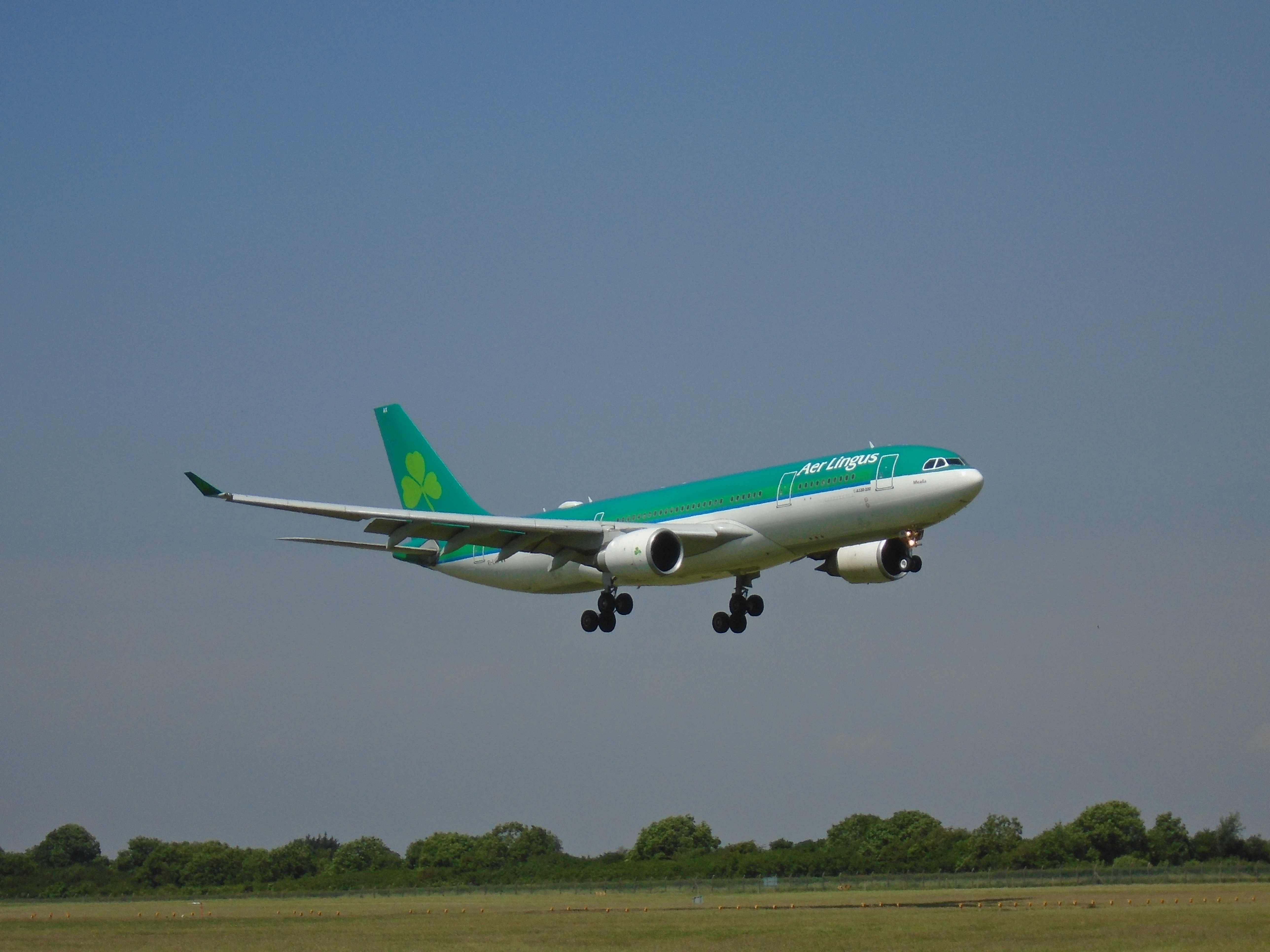
Aer Lingus has introduced Starlink ultrafast Wi-Fi on its first aircraft, with the Airbus A330 registered EI-EIN debuting the service on a Dublin to New York JFK flight. The rollout provides passengers with free high-speed connectivity across all cabins, enabling streaming, work, and browsing on multiple devices throughout the journey. The installation follows testing and marks a step forward in enhancing onboard passenger experience. The move reflects a broader industry trend toward offering seamless, high-quality connectivity as a standard feature on long-haul flights.
Ryanair Extends Lead as Europe’s Largest Airline Group in 2025
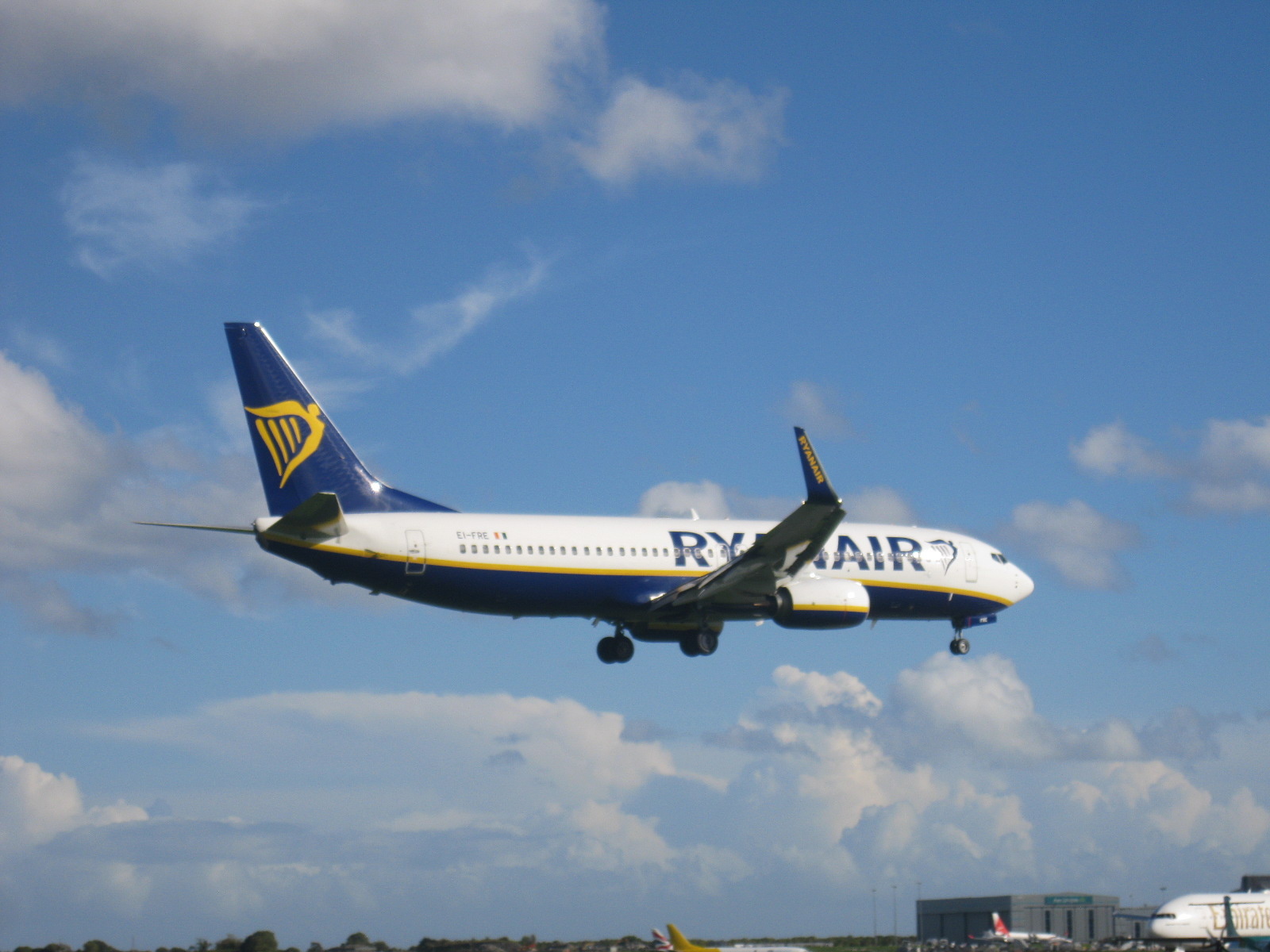
Ryanair Group has retained its position as Europe’s largest airline group by passenger numbers for the seventh consecutive year, further widening its lead over competitors. In 2025, the airline carried 206.4 million passengers, significantly ahead of Lufthansa Group’s 135 million, marking a substantial gap between the top two players. The scale of this difference highlights Ryanair’s continued dominance in the European market, driven by its low-cost model and extensive network. The performance underscores the strength of high-volume, cost-efficient operations in shaping competitive positioning within the region’s airline industry.
Aer Lingus Expands Connectivity from Pittsburgh via Dublin
Aer Lingus’ upcoming Dublin–Pittsburgh service, launching in May 2026, is set to enhance transatlantic connectivity by linking the U.S. city not only to Ireland but to a wider European network. By positioning Dublin as a key hub, the airline will enable seamless onward connections across Europe, strengthening its role in facilitating one-stop itineraries. The route also supports Pittsburgh’s strategy of expanding international access without relying on traditional East Coast gateways. The development highlights the growing importance of hub connectivity in driving transatlantic traffic and expanding route networks.
Ryanair Urges Belgium to Scrap Aviation Tax Hike
Ryanair has called on the Belgian government to reconsider a planned increase in aviation taxes, warning that higher charges could lead to reduced traffic, tourism, and job losses. The airline highlighted that delays in policy decisions risk impacting future scheduling, as airlines are already planning capacity for upcoming seasons. Ryanair estimates that failure to act could result in the loss of significant seat capacity, particularly affecting regional airports such as Brussels South Charleroi. The situation underscores the influence of taxation policies on airline network planning and the competitiveness of aviation markets.
Tweet Picks
@business United Airlines Holdings Inc. said its embarking on the biggest fleet rejuvenation in its history, adding widebody aircraft fitted with its latest suite and the longest range Airbus SE A321 that will link the US with European destinations.
@business United Airlines CEO Scott Kirby said ticket prices may have to go up by 20% if jet fuel prices remain elevated for longer.
@CargoFacts Air Transport Services Group, Inc. leasing subsidiary Cargo Aircraft Management, Inc. plans to continue expanding its Airbus leasing portfolio under newly appointed President Andy Lawrence.
@CargoFacts Dallas Fort Worth International Airport (DFW) will invest $12 billion over the next five years to improve airport infrastructure, including new facilities that will support air cargo operations for the next twenty-five years.
Video Picks
Oireachtas Transport Committee – Aer Lingus CEO Lynne Embleton
In this session, Lynne Embleton outlines Aer Lingus’ position on key aviation policy issues, including capacity constraints, operational challenges, and the importance of maintaining Ireland’s global connectivity. The discussion highlights the airline’s focus on sustainable growth while navigating regulatory and infrastructure limitations. It also reflects the broader need for alignment between airline strategy and national aviation policy to support long-term competitiveness.
Oireachtas Transport Committee – A4A Director Chris Sununu
Chris Sununu provides insights into the perspective of U.S. airlines on Ireland’s aviation policy environment, particularly around airport capacity and regulatory decisions. The discussion emphasises the importance of transatlantic connectivity and the potential implications of policy changes on international airline operations. It highlights how domestic regulatory decisions can influence broader global aviation relationships and market access.
Oireachtas Transport Committee – IATA DG Willie Walsh
Willie Walsh discusses the global aviation outlook, focusing on regulatory frameworks, cost pressures, and the importance of maintaining competitive conditions for airlines. The session highlights concerns around infrastructure constraints, taxation, and sustainability policies, while emphasising the need for balanced approaches that support both growth and environmental objectives. The discussion provides a clear view of how global industry priorities intersect with national policy decisions.
Acumen’s Take
The industry continues to operate in a demand-led environment, but growth is increasingly being shaped by constraints across capacity, cost, and infrastructure. Airlines, lessors, and operators are responding with more deliberate fleet strategies, tighter cost control, and flexible deployment models. At the same time, regulatory developments and geopolitical pressures are adding layers of complexity to planning and execution. What this really means is that performance will depend less on scale alone and more on how effectively organisations align strategy, capital, and operations in a constrained environment.