





02 Apr 2026
Acumen Daily Aviation Brief - 2nd April 2026
Acumen Aviation Newsletters
Acumen Aviation’s newsletters offer deep dives into the most impactful trends and developments across the aviation sector. These resources are crafted to keep you informed about critical industry changes and provide actionable insights:
READ NOW: https://www.acumen.aero/blogs
IrishAero News
EI-TEE Airbus A220-300 Delivered to ITA Airways
ITA Airways has taken delivery of its latest Airbus A220-300, registered EI-TEE (msn 55428), which was ferried from Montréal-Mirabel to Rome Fiumicino on 5–6 March 2026, further expanding its modern narrowbody fleet. The aircraft represents the final A220-300 delivery for the airline, bringing its total A220 fleet to 19 units with an average age of approximately 1.7 years. The fleet includes 15 new production aircraft alongside four previously operated by Azimuth, reflecting a strong focus on fleet modernisation and efficiency. The addition underscores ITA Airways’ continued investment in next-generation aircraft to support network growth and improved operational performance.
Luxair Introduces New E195-E2 on Dublin Route
Luxair has introduced its Embraer E195-E2 on the Luxembourg–Dublin route, marking the aircraft’s debut on the sector with its first scheduled service operated on 14 March by LX-LEA (msn 19020199). The deployment forms part of the airline’s broader fleet renewal strategy, with the E2 family gradually replacing its De Havilland Canada DHC-8-400 turboprops. The transition reflects a shift toward higher-capacity, more fuel-efficient regional jet operations, enhancing both environmental performance and passenger experience. The move underscores Luxair’s focus on modernising its fleet while strengthening competitiveness across its European network.
TF-ISW Boeing 767 Icelandair One Last Stop at Dublin
Icelandair’s Boeing 767-316(ER), registered TF-ISW and named “Gullborg,” made its final visit to Dublin on 16 February, operating flight ICE416/7 between Dublin and Keflavik before its retirement and transfer to Goodyear, Arizona on 6 March. The aircraft had previously supported increased capacity on the Dublin–Keflavik route during peak periods in late 2025, offering approximately 47% more capacity compared to standard narrowbody operations. Its deployment reflected strong passenger demand on the sector and the airline’s flexible use of widebody aircraft to optimise capacity. The final movement marks the end of the aircraft’s operational lifecycle with Icelandair, highlighting ongoing fleet transition and retirement activity within the widebody segment.
Aircraft Update
2-BLOT ATR72-212A(600) c/n 1737 Fly91 Delivered to Hyderabad 15/03/26
The ATR72-212A(600), serial number 1737, registered as 2-BLOT, was delivered to Fly91 and positioned in Hyderabad on 15 March 2026, marking an addition to the airline’s regional fleet. The delivery supports Fly91’s expansion strategy focused on enhancing connectivity across underserved domestic routes in India. As a modern turboprop aircraft, the ATR72-600 offers operational efficiency and suitability for short-haul sectors, aligning with the airline’s regional network objectives. The induction reflects continued demand for fuel-efficient aircraft in regional aviation markets and the growing importance of tier-2 and tier-3 connectivity.
2-EIAY Boeing 737-4Q8(F) c/n 25110 World Star Aviation Ferried to Amman 10/03/26 ex OE-IAY
The Boeing 737-4Q8(F), serial number 25110, registered as 2-EIAY and managed by World Star Aviation, was ferried to Amman on 10 March 2026 following its previous registration as OE-IAY. The movement indicates a transition within the aircraft’s operational lifecycle, potentially linked to lease placement, maintenance, or redeployment in the cargo market. As a converted narrowbody freighter, the aircraft continues to serve an important role in regional cargo operations, supporting flexible and cost-efficient logistics networks. The repositioning reflects ongoing activity in the secondary freighter market as operators adjust capacity to meet evolving demand.
Global Aviation News
Finnair Introduces New Finnish Soundscape to Elevate the Passenger Journey
Finnair has introduced a new soundscape as part of its refreshed brand strategy, aiming to enhance the passenger experience across the entire travel journey, from booking to arrival. The initiative places a strong emphasis on Finnish identity, integrating cultural elements into the airline’s customer touchpoints to create a more distinctive and cohesive brand experience. By focusing on sensory engagement, Finnair is aligning its product offering with evolving passenger expectations around personalised and immersive travel. The move reflects a broader industry trend where airlines are investing in experiential differentiation to strengthen brand loyalty and premium positioning.
Istanbul SAW Records Strong Growth, Eyes 50 Million Passengers in 2026
Istanbul Sabiha Gökçen Airport (SAW) achieved a record performance in 2025, handling 48.4 million passengers and emerging as one of Europe’s fastest-growing major airports. Passenger traffic increased by nearly 17% year-on-year, reflecting strong demand and expanding network connectivity. The airport is now expected to surpass 50 million passengers in 2026, signalling continued growth momentum. The development highlights Istanbul’s strategic position as a key aviation hub and underscores the role of high-growth airports in supporting regional and international connectivity.
Lufthansa Cargo Targets High-Value Tech, Auto, Pharma Sectors
Lufthansa Cargo is sharpening its strategic focus on high-value cargo segments, including pharmaceuticals, automotive, aviation, semiconductors, and airmail, as it looks to drive more profitable growth beyond general freight. By prioritising specialised and time-sensitive shipments, the airline is aligning its operations with sectors that demand reliability, precision, and premium service. This shift reflects a broader trend in the cargo market where carriers are moving toward higher-yield segments to improve margins and differentiate their offerings. The strategy underscores the increasing importance of tailored logistics solutions in an evolving global air freight landscape.
United CEO Scott Kirby Reaffirms Strategy Amid Market Uncertainty
United Airlines CEO Scott Kirby has reassured employees of the airline’s strategic direction, emphasising confidence in its long-term growth plan despite current geopolitical tensions and rising fuel prices. The message highlights United’s continued focus on executing its multi-year investment strategy centred on fleet modernisation and product enhancement. While acknowledging near-term uncertainties linked to global events and cost pressures, the airline remains committed to strengthening its brand and operational performance. The communication reflects a broader industry approach of maintaining strategic continuity while navigating short-term volatility.
SriLankan Airlines Completes Consent Solicitation for Bond Restructuring
SriLankan Airlines, in collaboration with the Government of Sri Lanka, has successfully completed a consent solicitation and restructuring process related to its US$175 million guaranteed bonds. The initiative marks a key step in addressing the airline’s financial obligations and strengthening its balance sheet amid broader industry and economic challenges. By securing stakeholder agreement, the airline is advancing efforts to improve financial stability and support long-term operational sustainability. The development highlights ongoing restructuring activity within the aviation sector as carriers navigate post-pandemic recovery and evolving financial pressures.
TUI Notes Shift in Travel Demand Away from Middle East
TUI has reported a shift in booking patterns as geopolitical tensions in the Middle East influence traveller behaviour, with increased preference for destinations in the Mediterranean and Caribbean. While overall demand for holidays remains resilient, uncertainty around travel to the region and long-haul routes involving Gulf connections has prompted customers to opt for alternative destinations. The trend highlights how external factors can quickly reshape travel flows and route demand across the aviation sector. It also underscores the importance for airlines and tour operators to remain agile in adjusting capacity and network strategies in response to changing passenger preferences.
United’s A321 Push Transforms Fleet Economics
United Airlines’ accelerated induction of Airbus A321 aircraft is reshaping its fleet economics, signalling a shift beyond simple fleet renewal toward long-term operational transformation. The airline’s increased aircraft intake since 2023 reflects a strategy focused on efficiency, capacity optimisation, and improved unit costs, with the A321 playing a key role in balancing range and seat economics. While Boeing continues to dominate overall deliveries, Airbus has secured a strong position within United’s evolving fleet mix. The development highlights how aircraft selection is becoming a critical lever for airlines to enhance profitability and adapt to changing market dynamics.
Wizz Air Begins Gradual Phase-Out of A321ceo Fleet
Wizz Air has initiated the phased retirement of its Airbus A321ceo fleet as part of a broader long-term fleet renewal strategy focused on efficiency and sustainability. The transition will see 41 A321ceo aircraft gradually exit the fleet by 2029, making way for newer, more fuel-efficient models. This move reflects the airline’s commitment to reducing operating costs and emissions while enhancing overall fleet performance. The development underscores a wider industry trend of replacing older-generation aircraft with next-generation variants to support both economic and environmental objectives.
Irish Aviation News
AerCap Signs Lease Agreements with Ethiopian Airlines for Two B777-300ERSF Freighters
AerCap has signed lease agreements with Ethiopian Airlines for two Boeing 777-300ERSF converted freighters, marking a significant development in the expansion of widebody cargo operations. The aircraft, scheduled for delivery in 2028, will be the first of their type to operate in Africa, enhancing long-haul cargo capacity across the region. The move reflects growing demand for large, fuel-efficient freighters capable of supporting global logistics and e-commerce growth. It also highlights AerCap’s continued role in enabling fleet modernisation and supporting airline cargo strategies through next-generation asset deployment.
Air Services Dáil Éireann Debate on Airport Accessibility
Discussions in Dáil Éireann have highlighted ongoing oversight of accessibility standards across Ireland’s major airports, including Dublin, Shannon, and Cork. Under EU Regulation 1107/2006, airports and airlines are required to ensure equal access and provide assistance to passengers with reduced mobility, with compliance monitored through regular inspections. The Irish Aviation Authority conducts annual assessments of commercial airports, with the latest published reports covering 2024 and updated reviews for 2025 currently in progress. The debate underscores the continued focus on maintaining inclusive and accessible air travel infrastructure as passenger volumes grow.
Ryanair Capacity Growth Uneven Across Key Markets in Q2 2026
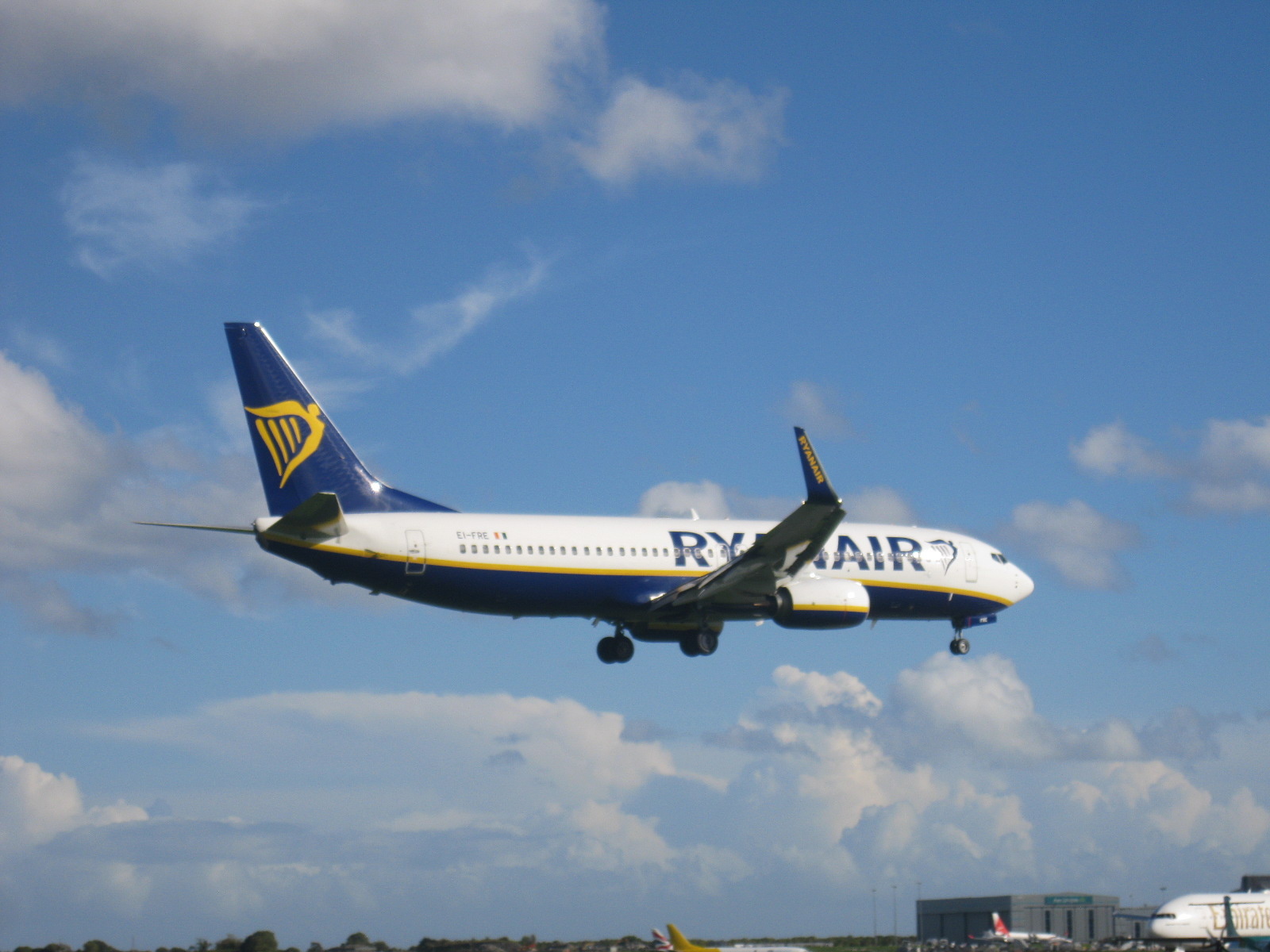
Ryanair is projected to increase its seat capacity by approximately 6% in the second quarter of 2026 compared to the same period last year, reflecting continued expansion across its network. However, the growth is not evenly distributed, with some of its major country markets experiencing a reduction in capacity. The variation highlights the airline’s targeted approach to network optimisation, reallocating capacity based on demand patterns and market performance. The analysis underscores how even high-growth carriers are adopting a more selective strategy to maximise efficiency and returns across their route portfolio.
Belfast City Airport Formally Publishes 2040 Master Plan
Belfast City Airport has officially published its long-term Master Plan outlining development and growth ambitions through to 2040, following an extensive public consultation process. The plan sets out a strategic framework to support future passenger demand, infrastructure upgrades, and operational enhancements while aligning with environmental and community considerations. It reflects a forward-looking approach to strengthening regional connectivity and ensuring sustainable airport expansion. The initiative highlights the importance of long-term planning in balancing growth, capacity, and stakeholder expectations within the aviation sector.
Business Boost for Northern Ireland as BA to Launch Direct Flights to Melbourne
British Airways’ planned introduction of direct flights to Melbourne is expected to strengthen connectivity between the UK and Australia, offering potential benefits for Northern Ireland businesses with operations in the region. The expanded long-haul link is likely to support trade, tourism, and business travel, enhancing access to key international markets. While the service originates outside Northern Ireland, improved global connectivity can have positive spillover effects for regional economies. The development highlights the wider economic impact of long-haul route expansion and the importance of global air links in supporting business growth.
Clover Aviation Capital Delivers Airbus A320-200 to Jetstar Japan
Clover Aviation Capital has delivered an Airbus A320-200 to Jetstar Japan, marking the start of a new customer relationship and expanding its presence in the Japanese aviation market. The aircraft, powered by IAE V2500 engines, will operate under a lease agreement, providing Jetstar Japan with flexible fleet financing to support its operations. The transaction reflects continued demand for narrowbody aircraft in the low-cost carrier segment and highlights the role of leasing companies in enabling fleet growth across key international markets. It also underscores ongoing activity in the global aircraft leasing ecosystem, with Irish-linked lessors maintaining strong participation.
Dublin Airport’s 2026 Airport Charges Proposal Published
The Irish Aviation Authority has published Dublin Airport’s regulatory proposal outlining the framework for airport charges over the 2027–2031 period, following stakeholder consultations conducted in 2025. The five-year determination will set the maximum level of charges applicable at Dublin Airport, shaping the cost environment for airlines operating at Ireland’s primary international gateway. The proposal reflects the balance between supporting infrastructure investment and maintaining competitive operating conditions for carriers. The development highlights the importance of regulatory oversight in ensuring sustainable airport operations while supporting long-term aviation growth.
European Union Must Review Emissions Trading Scheme – IATA DG Willie Walsh
IATA Director General Willie Walsh has called for a review of the European Union’s Emissions Trading Scheme (EU ETS), citing concerns over its impact on airline competitiveness and operational costs. The statement reflects growing debate within Europe around the effectiveness of the scheme, particularly in the context of rising regulatory complexity and economic pressures. IATA emphasised that excessive cost burdens could hinder connectivity and weaken the region’s global aviation position. The discussion highlights the need to balance environmental objectives with the competitiveness and sustainability of the aviation sector.
Joint Oireachtas Committee on Transport – Opening Statement by Chris Sununu, Airlines for America
Chris Sununu, President and CEO of Airlines for America, addressed the Joint Oireachtas Committee on Transport, highlighting the importance of maintaining strong transatlantic aviation links between Ireland and the United States. The statement emphasised the need for competitive and transparent regulatory frameworks to support airline operations and international connectivity. Sununu also underscored the broader economic role of aviation in facilitating trade, tourism, and investment across key markets. The discussion reflects ongoing engagement between international industry stakeholders and Irish policymakers on shaping a balanced and sustainable aviation environment.
Ryanair Criticises Vienna Airport Traffic Figures and Calls for Tax Cuts
Ryanair has criticised recent traffic performance at Vienna Airport, attributing weaker growth to high taxes and operating costs, and has called for reductions to improve competitiveness. The airline argues that elevated charges are limiting demand and discouraging capacity expansion compared to lower-cost markets. The comments reflect Ryanair’s continued focus on cost efficiency and its strategy of allocating capacity to regions offering more favourable regulatory and tax environments. The development highlights the broader influence of fiscal policy on airline network decisions and regional aviation growth.
Ryanair Expands Route Network at Saarbrücken Airport
Ryanair is expanding its route network from Saarbrücken Airport, adding new connections to southern European destinations including Trapani, Lamezia Terme, and Alicante. The move leverages the airport’s strategic location near the borders of Germany, France, and Luxembourg, allowing the airline to tap into a wider cross-border passenger base. The expansion reflects Ryanair’s focus on targeting underserved regional airports with strong catchment potential. It also highlights the continued importance of flexible network planning in capturing leisure travel demand across Europe.
Tweet Picks
@sandeeprrao1991 The Bengaluru London Heathrow O&D passenger market grew by 32% in 2025 and has potential for another 2x daily ops to help in feeding the strong demand on this sector #avgeek.
@skift Airbnb is now focusing on the entire trip — not just homes — and rides to and from the airport are all but officially part of the vision. Airbnb’s Global Head of Real Estate, Jesse Stein, said Wednesday at ITB in Berlin that Airbnb is a place to plan an “entire trip.” The vision includes vacation rentals, hotels for a business trip, and “a car ride from the airport to the Airbnb or the hotel — you can find it all in one place.”
@skift Turkish Airlines is dialing back the pace of expansion – shifting toward profitability and network quality while still pursuing its global ambitions ahead of the carrier’s 2033 centenary.
@WSJ United Airlines will add more than 250 planes over the next two years with a particular focus on boosting premium capacity, a move that comes as airlines increasingly rely on premium seats to drive revenue
Video Picks
Delta CEO – Jet Fuel Costs Double, Airfares Rising Since Iran War
In this interview, Delta CEO Ed Bastian discusses the sharp rise in jet fuel costs following the Iran conflict, noting that fuel prices have effectively doubled and are significantly impacting airline cost structures. He explains how these increases are being passed through to airfares, with airlines adjusting pricing and capacity to manage the financial strain. The conversation also highlights the broader industry challenge of balancing strong travel demand with rising operational costs. It offers a clear view into how geopolitical events are directly influencing airline economics and passenger pricing trends.
Dublin's Tourism Tax Proposal – Eoghan Corry, Elaine Cobb & Ciara Kelly
This discussion examines the proposed tourism tax in Dublin and its potential impact on the travel and aviation ecosystem. The conversation explores how additional levies could influence visitor demand, airline traffic, and the competitiveness of Dublin as a destination. It also highlights differing perspectives on balancing revenue generation with maintaining strong inbound tourism flows. The session provides insight into how policy decisions at a city level can have wider implications for aviation demand and connectivity.
Incontriamo Michael O’Leary, CEO di Ryanair
In this interview, Michael O’Leary shares insights into Ryanair’s strategy, focusing on cost leadership, network expansion, and maintaining competitive fares across Europe. The discussion covers the airline’s approach to navigating regulatory pressures, managing operational efficiency, and responding to shifting demand patterns. O’Leary also touches on industry challenges, including taxation and infrastructure constraints, and their impact on growth. The session offers a clear perspective on how Ryanair continues to position itself within an increasingly competitive European aviation market.
Acumen’s Take
The current aviation landscape reflects a sector balancing strong structural demand with increasing complexity across costs, regulation, and operations. Airlines, lessors, and airports are shifting from reactive recovery to more deliberate, long-term strategy, with greater focus on efficiency, resilience, and capital discipline. At the same time, evolving passenger expectations and sustainability requirements are reshaping both product and fleet decisions. What this really means is that competitive advantage will come down to how well stakeholders align capacity, cost structures, and investment timing in a rapidly changing environment.